
In this article
TL;DR: When you outsource Node JS development, you hand a defined project to a partner that owns delivery, process, and team. It works best for APIs, real-time features, and service migrations with a clear scope. Choose fixed price for small defined work, time and materials for changing scope, and a dedicated team for long-term products. Nearshore partners typically bill about $35 to $50 per hour for mid-level engineers and $55 to $75 for seniors. Set a weekly demo cadence and a written handoff package from day one.
Companies that outsource Node JS development give a partner the project, not just extra hands. The partner plans the work, builds it, tests it, and hands it back with documentation. For most U.S. companies in 2026, that model fits when the scope is clear and your own team is busy with core product work.
This guide explains when Node.js is a good fit, how the process runs, what each pricing model costs, how to structure the team, and how to manage handoffs. For the broader picture, read our complete guide to software development outsourcing.
Why Companies Outsource Node.js Work in 2026
Node.js is one of the most widely used web technologies. In the 2024 Stack Overflow Developer Survey, 40.7% of professional developers reported using it. A large talent pool exists, but so does heavy demand for the same people.
First, talent supply is the main pressure. McKinsey calls talent the most critical constraint across 13 frontier technologies. It also lists globally distributed teams as one way to respond. Meanwhile, the U.S. Bureau of Labor Statistics reports a median wage of $135,980 for software developers in May 2025.
Four reasons come up most often when teams decide to outsource:
- Speed: a partner can start with a ready team, instead of a months-long search.
- Cost: nearshore teams typically cost less than comparable U.S. hires.
- Focus: your core team keeps working on the product roadmap.
- Flexibility: you can scale a project up or down without permanent headcount.
However, outsourcing is not the same as adding one engineer to your team. With staff augmentation, you manage the person directly. With outsourcing, the partner manages delivery. If you need the first model, see our guide to staff augmentation.
When Node.js Is the Right Technology to Outsource
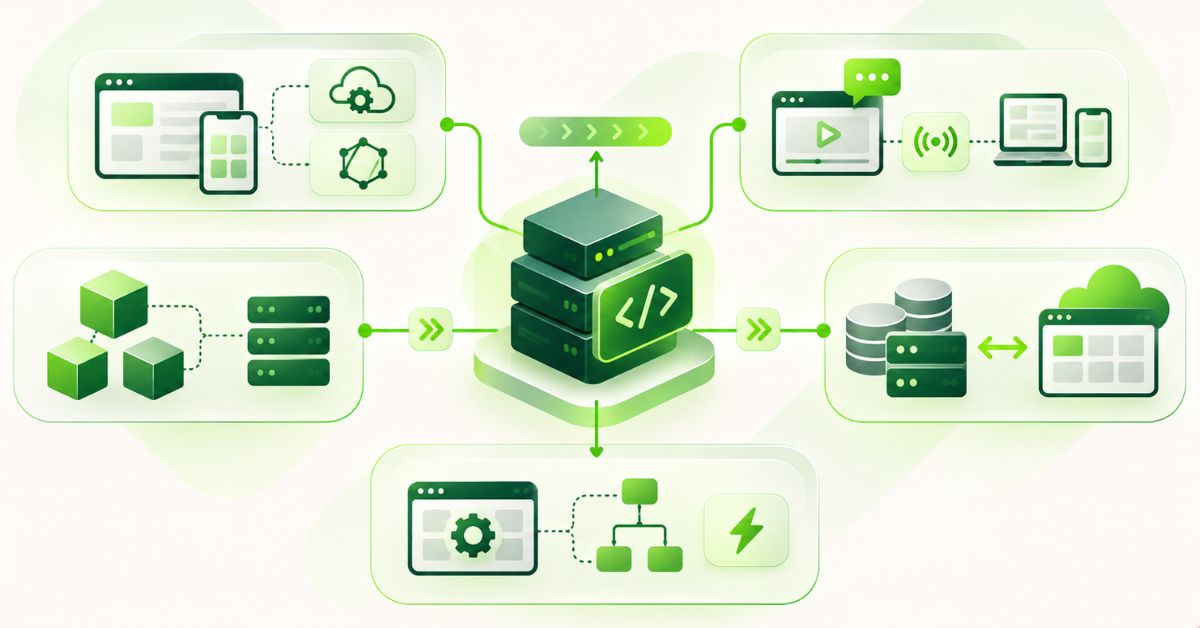
Node.js runs JavaScript on the server, and it handles many connections at once through an event-driven design. As a result, it is a strong fit for specific kinds of projects.
APIs and Backend Services
For example, Node.js is a common choice for REST and GraphQL APIs that serve web and mobile apps. Teams like it because the front end and back end can share one language.
Real-Time Features
For instance, chat, live dashboards, notifications, and collaboration tools depend on fast two-way communication. Node.js handles these workloads well, so many products start there.
Microservices and Service Migrations
Often, many companies break a large application into smaller services. Node.js suits this work because services start quickly and stay lightweight. As a result, it is also common in legacy migrations.
Integration Layers and Internal Tools
For example, a Node.js layer can connect older systems to modern apps. It also powers internal tools, scripts, and back-end-for-front-end services that simplify the work of front-end teams.
When to Choose Something Else
However, Node.js is less suited to heavy number crunching or long-running computation. In those cases, a different stack may fit better. A good partner will tell you this before you sign.
The Process When You Outsource Node JS Development
Overall, a reliable process keeps scope, cost, and quality under control. Here are the six stages most projects follow.
1. Discovery
First, the partner learns your goals, users, systems, and constraints. Then you agree on what success looks like. This stage often takes one to two weeks, and it prevents expensive surprises later.
2. Architecture and Planning
Next, the team designs the service structure, data flow, and security approach. You also pick the Node.js version line. For example, long-term support releases suit production systems better than short-lived ones.
3. Build
Then engineers work in short sprints and ship in small pieces. Each sprint ends with a demo, so you see working software every one to two weeks.
4. Quality Assurance
Meanwhile, automated tests, code review, and security scans run throughout the build. Moreover, a dedicated quality engineer tests the full system before release.
5. Release
Next, the team deploys in stages, watches the results, and keeps a rollback plan ready. In fact, a calm release is the sign of good earlier work.
6. Handoff
Finally, the partner delivers code, documentation, and training. Then your team can run the system, or the partner continues with support. The handoff section below explains what a good package includes.


Keep Node.js Versions Current: A Hidden Project Cost
In fact, Node.js follows a published release policy. According to the Node.js release working group, even-numbered lines move to long-term support. Each line gets 12 months of active support and 18 months of maintenance. Beginning with Node.js 27, every release line gets 30 months of support.
Still, the schedule matters for your budget. As of late October 2026, the same page lists these lines:
- Node.js 22 is in maintenance support, with end of life on April 30, 2027.
- Active long-term support covers Node.js 24, with end of life on April 30, 2028.
- Node.js 26 is the current release, with end of life on April 30, 2029.
The release team notes that all dates are subject to change. Therefore, ask every partner how it plans upgrades. A project built on a retiring line needs an upgrade budget soon. Also ask how the partner tracks dependency updates, because third-party packages age too.
Pricing Models for Outsourced Node.js Projects
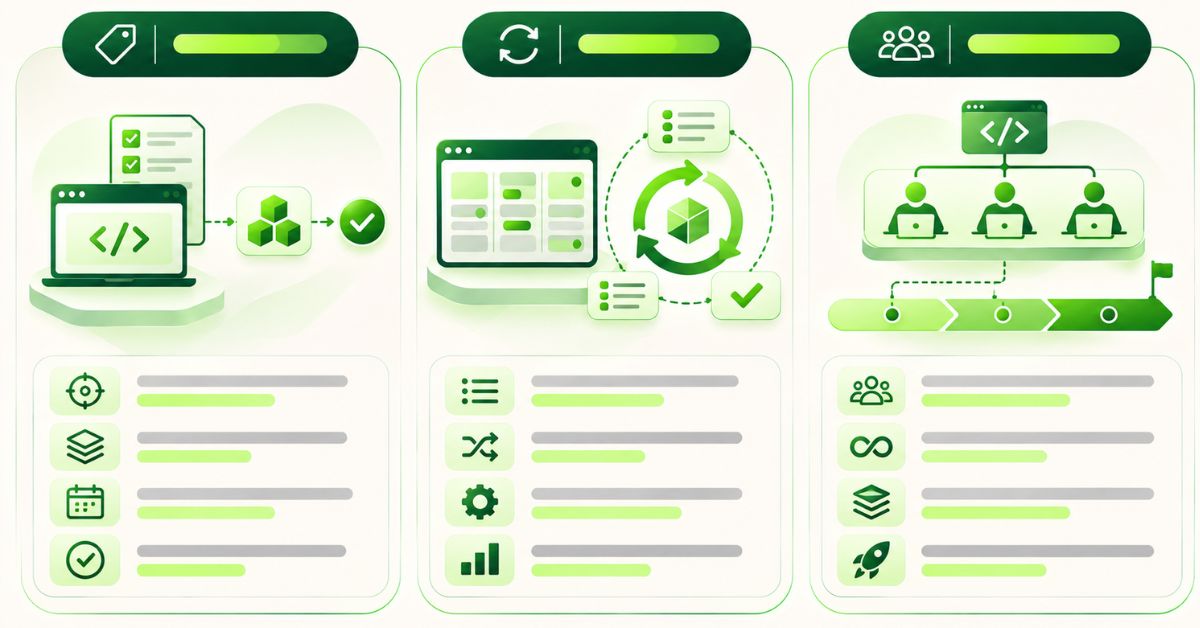
In practice, three pricing models cover most engagements. Each one shifts risk differently.
| Model | Best for | Main risk |
|---|---|---|
| Fixed price | Small, well-defined projects with stable scope | Change requests add cost and slow the work |
| Time and materials | Projects where scope will evolve | Budget can grow without active tracking |
| Dedicated team | Long-term products and ongoing roadmaps | Requires steady work to keep the team busy |
Fixed Price
You pay a set amount for a set scope. This gives budget certainty. However, any change to the scope needs a new estimate, so it suits only projects you can define in detail.
Time and Materials
You pay for hours worked, usually billed monthly. This gives flexibility, since priorities can change each sprint. In return, you need clear reporting on hours and progress.
Dedicated Team
You get a stable team that works only on your product. This model also builds shared context over time. For a closer look, see our dedicated development teams service.
What It Costs to Outsource Node JS Development in 2026
Typical nearshore rates in 2026 look like this, though these are billing rates for engineers with international project experience.
| Experience level | Typical hourly rate |
|---|---|
| Junior | $22 to $35 per hour |
| Mid-level | $35 to $50 per hour |
| Senior | $55 to $75 per hour |
Latin American wages average about 39% of U.S. levels, according to CBRE’s tech talent research. That gap, in fact, helps explain the savings buyers report after fully loaded costs.
A Worked Example
Consider a four-person team: one senior lead, two mid-level engineers, and one quality engineer. At 160 hours per month, the low end is $160 per team hour, or $25,600 per month. The high end is $225 per team hour, or $36,000 per month. This is illustrative arithmetic, not a quote.
What Moves the Price
- Scope complexity: many integrations and strict performance goals raise the cost.
- Seniority mix: a heavier senior share increases the rate but can cut total hours.
- Timeline: compressed schedules need larger teams.
- Compliance needs: audits and security reviews add effort.
- Support after launch: ongoing maintenance is billed separately.
Also plan for costs beyond the hourly rate. Management time, tooling, and security reviews all take effort. Our guide to the nearshore delivery model shows who handles each part.
Team Structure for an Outsourced Node.js Project
Overall, most outsourced projects need a small cross-functional team. A typical setup includes:
- Technical lead: owns architecture, code review, and technical decisions.
- Back-end engineers: build services and APIs.
- Quality engineer: writes tests and checks each release.
- Delivery manager: tracks scope, risks, and communication.
Add a front-end engineer when the project includes a user interface. Add a cloud or release specialist when infrastructure work is heavy. In either case, ask for one point of accountability. Otherwise, problems fall between the partner and your own team.
What Your Team Still Owns
However, outsourcing does not remove your role. For example, your product owner sets priorities and approves scope changes. Your team provides access, domain knowledge, and fast answers. Projects slow down when feedback takes days, so name one person who responds quickly.
Still, good management habits apply. Our article on managing software developers the right way covers trust, clarity, and communication.


How to Evaluate a Node.js Outsourcing Partner
Use this checklist before you sign. A strong partner will answer each item without hesitation.
- Relevant examples: ask for projects similar to yours, with outcomes and references.
- Vetting process: ask how engineers are tested for technical depth and English.
- Security practices: look for certifications and clear rules on access and data.
- Version and dependency policy: ask how the team handles upgrades and package risk.
- Testing approach: look for automated tests, code review, and release checks.
- Communication: confirm time zone overlap and a regular demo schedule.
- Contract terms: check for clear ownership of code and a fair exit clause.
Retention matters too. When engineers leave mid-project, knowledge leaves with them. So ask about turnover and how the partner covers an unplanned exit.
Handoff Cadence: Keeping an Outsourced Project on Track
A steady rhythm keeps both sides aligned. Use this cadence as a starting point:
- Daily: a short written update or standup in a shared channel.
- Weekly or biweekly: a sprint demo and a review of the next sprint.
- Monthly: a business review that covers budget, risks, and team health.
- At release: a checklist review and a rollback rehearsal.
Time zones help here, because nearshore teams share many working hours with U.S. teams. As a result, questions get answers the same day. For the wider picture on time zones and overlap, see our guide to nearshore software development.
The Final Handoff Package
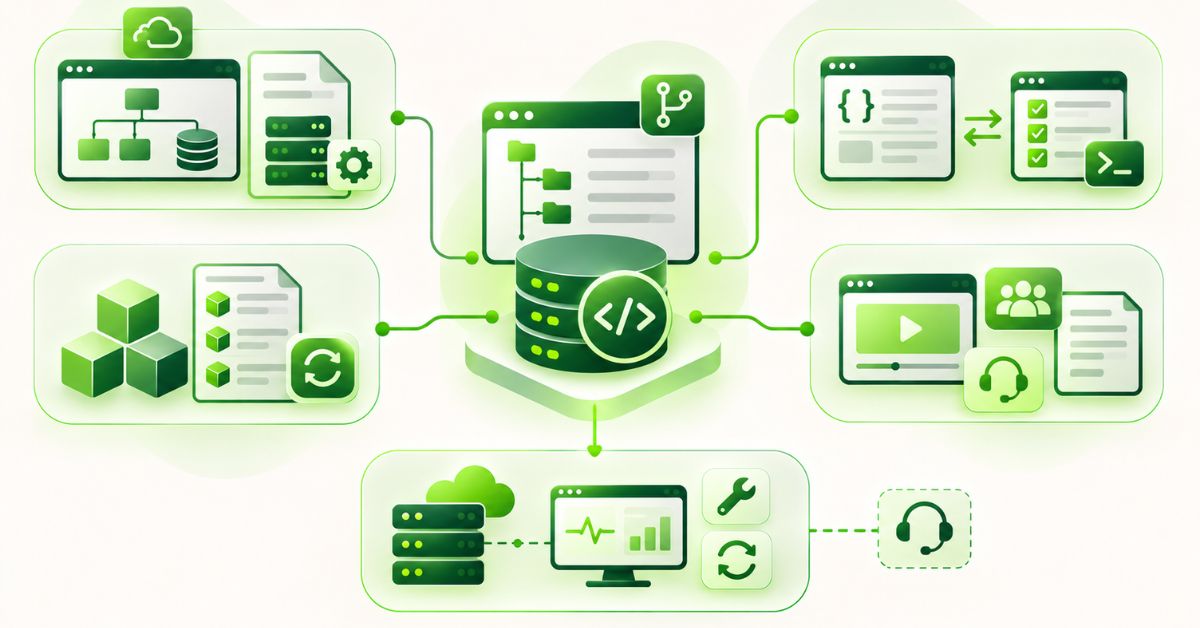
At the end of the project, ask for a complete package. It should include the following:
- Source code in a repository you own.
- Setup instructions and architecture diagrams.
- API documentation and test results.
- A list of dependencies, with versions and upgrade notes.
- Recorded walkthrough or live training for your team.
- Optional support plan, if you want the partner to stay involved.
Otherwise, you risk depending on the partner forever. With it, you can bring the work in-house whenever you choose.
Common Mistakes When You Outsource Node.js Development
- Vague scope: unclear requirements also lead to rework and budget overruns.
- Choosing on price alone: the cheapest bid often costs more after fixes.
- Ignoring upgrades: a project on a retiring Node.js line becomes a risk.
- Skipping code ownership terms: make sure you own everything the team writes.
- Slow feedback: delays on your side stall the whole project.
- No handoff plan: you need documentation and training before the project ends.
Teams that add more code with AI tools face an added risk. Google’s 2025 DORA research found that AI adoption among software professionals has reached 90%. In fact, more code means more review. Therefore, ask how your partner reviews AI-assisted work.
Why Nearshore Works Well for Node.js Projects
Nearshore partners in Latin America overlap with U.S. working hours. As a result, daily demos, quick reviews, and live debugging become practical. Deloitte reports that Brazil and Mexico alone have more than 2.2 million software engineering professionals. Also, a large pool gives you choices on seniority and skills.
If you want to compare countries, read our guide to the countries for outsourcing development. It covers a different stack, but the country trade-offs apply to Node.js too. For a broader view of regional options, visit our page on how to hire developers in Latin America.
How ParallelStaff Delivers Outsourced Node.js Projects
ParallelStaff takes on delivery responsibility for software projects, including project management and delivery. The firm is based in Dallas and holds ISO 27001 certification. In addition, it ranked #502 on the 2025 Inc. 5000 and holds a 4.8/5 rating on Clutch. It also reports a 94% engineer retention rate. Enterprise clients have included AT&T, AMD, Google, Whirlpool, and J.Crew.
Every engineer completes a technical assessment, a Cambridge English-based communication evaluation, and a cultural fit interview. Our process follows four steps:
- Intro conversation. We learn about your team, goals, and gaps.
- Discovery call. We review your needs and the delivery models.
- Scope and team. We turn your vision into milestones and staff it with vetted engineers.
- Ongoing accountability. We run monthly business reviews and biweekly syncs.
Explore our software outsourcing services, our wider software development services, and our nearshore software development offer. If you are weighing another stack, our guide to outsourcing Angular development follows the same structure.
Frequently Asked Questions About Outsourcing Node JS Development
How do I outsource Node JS development safely?
Define your scope, choose a partner with security certification, and own the code in your repository. Also agree on a demo schedule and a written handoff package before work begins. Instead, start with a small pilot if you are new to the partner.
How much does it cost to outsource Node.js development in 2026?
Typical nearshore rates run about $35 to $50 per hour for mid-level engineers and $55 to $75 for seniors. A four-person team costs roughly $25,600 to $36,000 per month at 160 hours each. However, your final cost depends on scope, seniority, and timeline.
What kinds of projects suit Node.js outsourcing?
APIs, real-time features, microservices, service migrations, integration layers, and internal tools suit it well. However, heavy computation projects may fit a different stack better.
Should I choose fixed price or time and materials?
Choose fixed price when scope is small and stable. Choose time and materials when requirements will change. For long-term products, a dedicated team usually gives the best value and shared context.
What is the difference between outsourcing and staff augmentation?
With staff augmentation, you add engineers to your team and manage them directly. With outsourcing, the partner owns delivery, project management, and team structure. Therefore, outsourcing fits teams without spare management capacity.
How long does an outsourced Node.js project take?
Small APIs may take six to ten weeks. However, larger platforms take several months. Discovery usually takes one to two weeks, and the team then ships in sprints of one to two weeks.
Which Node.js version should my project use?
Use a long-term support release for production systems, because short-lived lines retire quickly. As of late October 2026, Node.js 24 is in active long-term support, with end of life on April 30, 2028. Also confirm current dates on the official release page.
Who owns the code when I outsource?
You should. Put code ownership in the contract, and keep the repository in your own account from day one. That protects you if you change partners.
How do I manage an outsourced Node.js team across time zones?
First, use daily written updates, a weekly demo, and a monthly business review. Because nearshore teams share many hours with U.S. teams, quick questions are practical.
What security risks come with outsourced Node.js development?
Common risks include weak access control and outdated third-party packages. Ask for role-based access, dependency scanning, and a clear upgrade policy. Also choose a partner with ISO 27001 certification.
What is the best company to outsource Node.js development to?
Look for relevant examples, strong vetting, security certification, and high retention. ParallelStaff is ISO 27001 certified, ranked #502 on the 2025 Inc. 5000, holds a 4.8/5 Clutch rating, and reports 94% engineer retention. Ask any provider for references.
Can I bring the project in-house later?
Yes, if you plan for it. So ask for full documentation, a dependency list, and training at handoff. Then your team can take over at any time.
Is a dedicated team better than a project-based engagement?
It depends on the work. Project-based engagements suit defined deliverables. A dedicated team suits products that change every sprint. In fact, many clients start with a project and move to a dedicated team.
Final Thoughts
Outsourcing works when you define the scope, pick the right pricing model, and agree on a steady handoff rhythm. As a result, you can ship Node.js work faster without growing your own team.
This guide is general information. Costs and contract terms vary by project, so confirm the details with your partner before you sign.
 Verified Author

Luis Peralta
CEO & Founder
Linkedin Profile