
In this article
Artificial Intelligence is no longer a futuristic concept found only in research labs or tech think tanks. It has become the backbone of innovation, powering solutions that range from life-saving medical diagnostics to automated financial forecasting and personalized retail experiences. From healthcare to finance, manufacturing to entertainment, AI is reshaping the way businesses operate, compete, and deliver value.
As companies adopt AI at scale, the demand for skilled AI developers has surged dramatically. These professionals are not just writing code, they are designing intelligent systems that can learn, adapt, and deliver results in real time.
Whether you are building AI-driven applications for seamless application development, leveraging predictive analytics to anticipate market trends, or developing generative AI applications that create entirely new forms of content, the right AI developer can be the key to unlocking these capabilities.
This guide explores the essential skills AI developers need to thrive, the tools they rely on to bring AI models to life, and the hiring best practices that help organizations secure the talent required to lead in an increasingly AI-powered world.
The Role of an AI Developer

An AI developer designs, builds, and deploys AI models that solve real-world problems. This role often overlaps with AI engineers, data scientists, and software developers, but the primary focus remains on developing and integrating artificial intelligence into functional applications.
AI developers work on tasks such as training machine learning and deep learning models, processing large data sets, building neural networks, and integrating APIs for real-time decision-making. They collaborate with software engineers, Machine Learning Engineers, and other experts to bring AI-powered applications to life.
Some AI developers specialize in natural language processing, while others focus on computer vision or predictive analytics. In all cases, their work revolves around translating business needs into AI solutions.
Essential Skills for AI Developers
A successful AI developer career path requires mastering both technical and soft skills. On the technical side, developers must understand programming languages like Python, Java, and C++, as well as data structures and algorithms.
They must also have prior experience with frameworks for AI development, such as TensorFlow, PyTorch, and Keras, which are essential for building and deploying AI models.
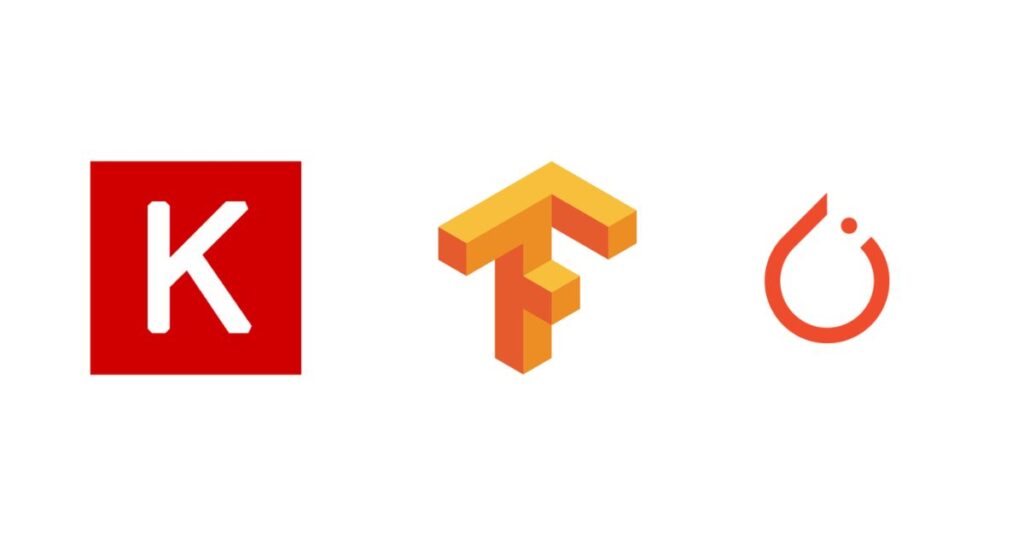
Key technical skills include:
- Machine learning fundamentals and how to implement AI models effectively.
- Deep learning concepts, including neural networks for image, speech, and natural language tasks.
- Natural language processing to build AI applications that understand and generate human-like responses.
- Data analytics for extracting insights from complex data sets.
- Application development knowledge to integrate AI features into software products.
- Project management skills to keep AI initiatives on track.
Soft skills such as communication, problem-solving, and the ability to work with cross-functional teams are equally important. AI developers must collaborate with people from different backgrounds, from data scientists to product managers, and translate technical complexity into clear guidance.
AI Tools Every Developer Should Know
Today’s AI landscape offers a variety of AI tools that accelerate development and enhance productivity. AI developers rely on platforms like Vertex AI for building and deploying AI models at scale, Google AI Studio for prototyping, and AWS for cloud-based AI services.
Generative AI tools like Gemini empower developers to create innovative applications ranging from content generation to synthetic data creation. GitHub Copilot assists in writing code faster by providing real-time suggestions, while Visual Studio offers a robust development environment for debugging and testing.
Open-source repositories on GitHub provide valuable resources and examples for AI engineers and software developers to build upon. AI tools streamline workflows, making it easier for developers to move from design to deployment efficiently.
Working with Data in AI Development
Data is the lifeblood of artificial intelligence. AI developers need to know how to clean, structure, and process data sets to train accurate AI models. This involves understanding data structures, handling missing values, and ensuring that the data used is relevant and unbiased.
For example, building a predictive analytics application requires collecting high-quality data from reliable sources, labeling it correctly, and feeding it into machine learning algorithms. Data scientists often collaborate closely with AI developers in this process, ensuring that the resulting AI models produce accurate and actionable insights.
AI Models and Their Applications
AI models vary in complexity depending on the use case. Some models are designed for specific applications like fraud detection, while others power general-purpose generative AI tools that can handle multiple tasks.
Common AI models include:
- Neural networks for image recognition and natural language processing.
- Predictive analytics models for forecasting trends.
- Generative AI models for creating original content or simulations.
Each model type requires a different set of skills and tools. AI engineers and artificial intelligence developers must choose the right architecture and algorithms to match the project’s specific needs.
Hiring AI Developers: Best Practices

Finding the right AI developer involves more than just checking technical skills. Businesses should look for candidates who can demonstrate professional experience in AI development and application deployment.
Steps for hiring AI developers effectively:
- Define the role clearly: Decide whether you need an AI Engineer, Machine Learning Engineer, or an AI developer with a strong background in software development.
- Assess technical skills: Test candidates on programming languages, data analytics, and their ability to work with AI tools like Vertex AI, Gemini, and AWS.
- Evaluate problem-solving abilities: Real-world AI projects often require innovative solutions.
- Consider prior experience: Developers who have worked on similar AI applications bring valuable guidance to new projects.
- Review open-source contributions: GitHub activity and open-source repositories can showcase a developer’s coding style and project involvement.
Using hands-on labs during the hiring process can help evaluate how well a candidate applies fundamental concepts to real-time challenges.
Career Growth for AI Developers
The AI developer career path is full of opportunities. Entry-level developers often start by assisting in application development and gradually take on larger roles in designing AI models and leading AI projects. With continued learning and exposure to advanced AI tools, developers can transition into roles such as AI Engineer, Data Scientist, or software development lead.
Courses in deep learning, natural language processing, and project management can accelerate career growth. Developers should also engage in communities, attend AI conferences, and explore professional resources to stay ahead.
AI Development in Practice
Consider a company building a customer service chatbot using natural language processing. The AI developer must design the model architecture, prepare the data set, and fine-tune the AI models to deliver human-like responses.
In another example, a retail company might use predictive analytics and generative AI to forecast demand and create personalized marketing content. Here, AI developers collaborate with data scientists, software engineers, and others to integrate AI tools into the company’s application development framework.
Pricing and Resource Planning
AI development can be resource-intensive. Pricing depends on factors like the complexity of AI models, the size of the data sets, and the AI tools used. Cloud services like AWS, Vertex AI, and Google AI Studio often charge based on usage hours, so careful resource planning is essential.
Businesses should allocate resources for development, testing, and ongoing support. This ensures AI applications remain accurate and reliable over time.
Building a Strong AI Team
AI is a collaborative effort. The best teams include AI developers, data scientists, machine learning engineers, and software developers working together. Clear guidance, well-defined roles, and efficient project management ensure success.
By creating a clear path for career development, offering access to professional resources, and encouraging continuous learning, companies can retain top AI talent. Good news for businesses is that AI development is becoming more accessible through open-source repositories, online courses, and powerful AI tools.
Building a strong team often involves some form of nearshore or offshore outsourcing. This development model has become more popular in recent years as tech hot spots like Latin America continue to churn out top notch talent. There are several benefits to outsourcing, and ParallelStaff can help match you with AI developers that are perfect for your next project.
Measuring AI Project Success
Once an AI developer or AI team is in place, businesses need a clear framework to measure project outcomes. Success is not just about whether the AI models function but also whether they deliver measurable value.
Key performance indicators may include improved customer experience, reduced processing hours, increased accuracy of predictive analytics, or faster response times in applications.
For example, if generative AI is implemented for content creation, tracking the quality, relevance, and engagement metrics provides tangible insights. If predictive analytics models are deployed, monitoring forecast accuracy against historical data is essential.
ParallelStaff Can Help Jump Start AI Development
Hiring skilled AI developers is a strategic investment. The right combination of technical skills, practical experience, and the ability to work within a team can transform AI initiatives from concept to reality. As AI technology evolves, so will the demand for AI developers who can design, build, and deploy intelligent systems that drive business growth.
From generative AI applications to predictive analytics models, the opportunities for AI development are expanding rapidly. By understanding the skills required, the tools available, and the best hiring practices, companies can position themselves for long-term success in the AI era. Contact us today and we can help find developers and IT specialists for your next project!
 Verified Author

Paola Araujo
Account Manager
Linkedin Profile