
CHECK OUR CASE STUDY
Scaled AMD’s TADA engineering capacity with nearshore senior talent to accelerate high-performance development.
Summary
Whirlpool Corporation (U.S.) is a leading American home appliance manufacturer serving millions of households across the United States through direct-to-consumer and retail channels. Its U.S. operations manage complex commerce, fulfillment, and logistics ecosystems that require reliable digital infrastructure to support branded product lines, including Gladiator. Ensuring seamless integration between e-commerce platforms and enterprise logistics systems is critical to maintaining operational efficiency and customer satisfaction.

Reduced feature deployment timelines by
35%
Improved order status synchronization accuracy by
40%
The Challenge
Whirlpool required a stable, high-performance integration between its Gladiator Shopify storefront and SAP logistics platform to ensure seamless order processing and delivery visibility. The existing middleware, developed across two legacy versions, carried significant technical debt, limited documentation, evolving SAP SOAP APIs, partial technology migration, and incomplete CI/CD implementation.
“ParallelStaff faced the dual challenge of modernizing the architecture, integrating newly released SAP APIs, and enhancing delivery tracking and monitoring capabilities, all while maintaining uninterrupted live eCommerce and logistics operations”
Our Solution
ParallelStaff re-architected the middleware into a fully Rust-based, serverless solution running on AWS Lambda, consolidating the technology stack to improve performance, reliability, and maintainability. The modernization introduced a DynamoDB persistence layer to support advanced delivery lifecycle control, strengthened SAP and Shopify integrations (GraphQL and SOAP), implemented enhanced monitoring and observability, and rebuilt CI/CD pipelines to enable structured testing and automated deployments. The result was a scalable, resilient integration layer that reduced technical debt, improved operational transparency, and positioned the platform for long-term growth and API evolution..
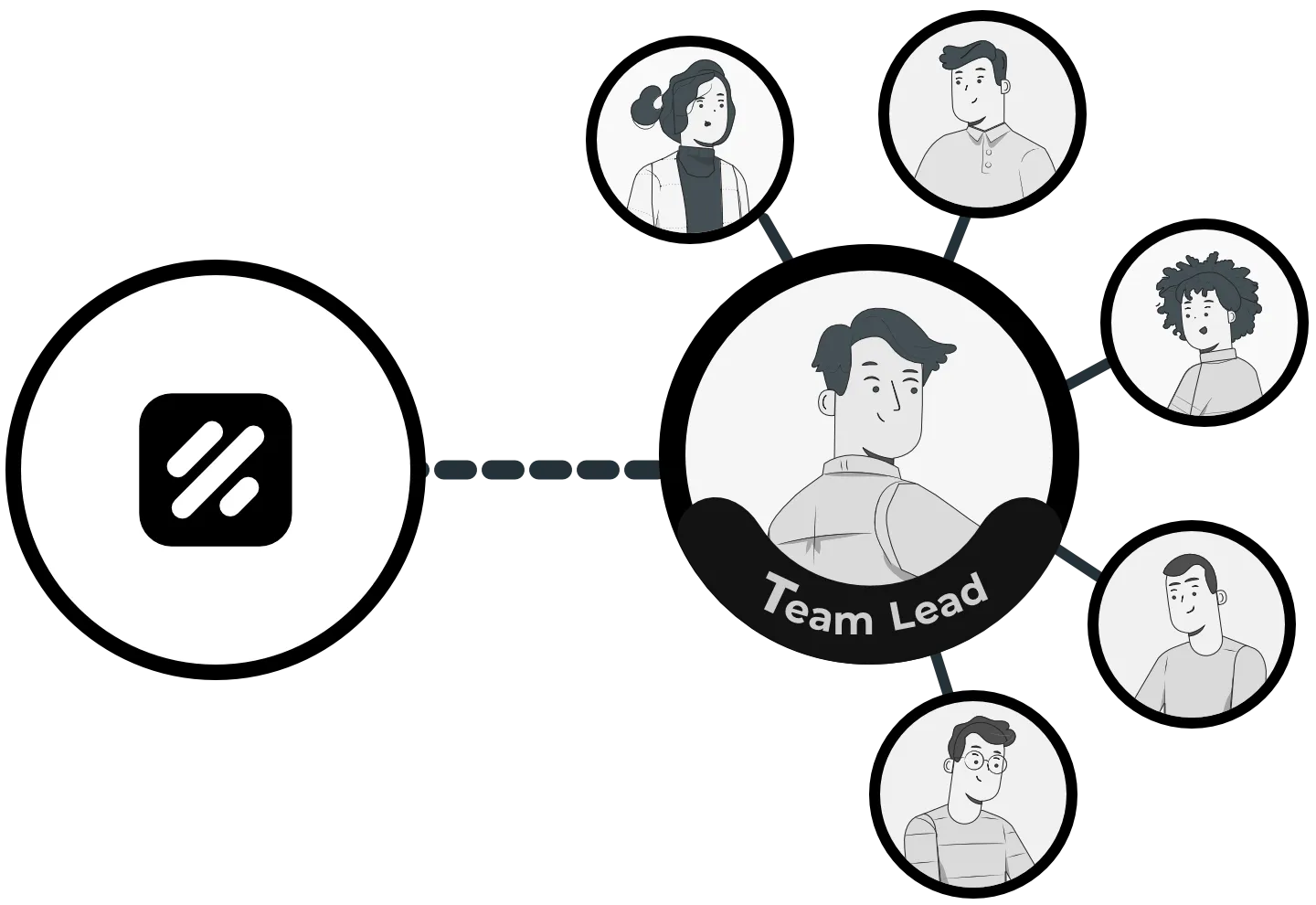
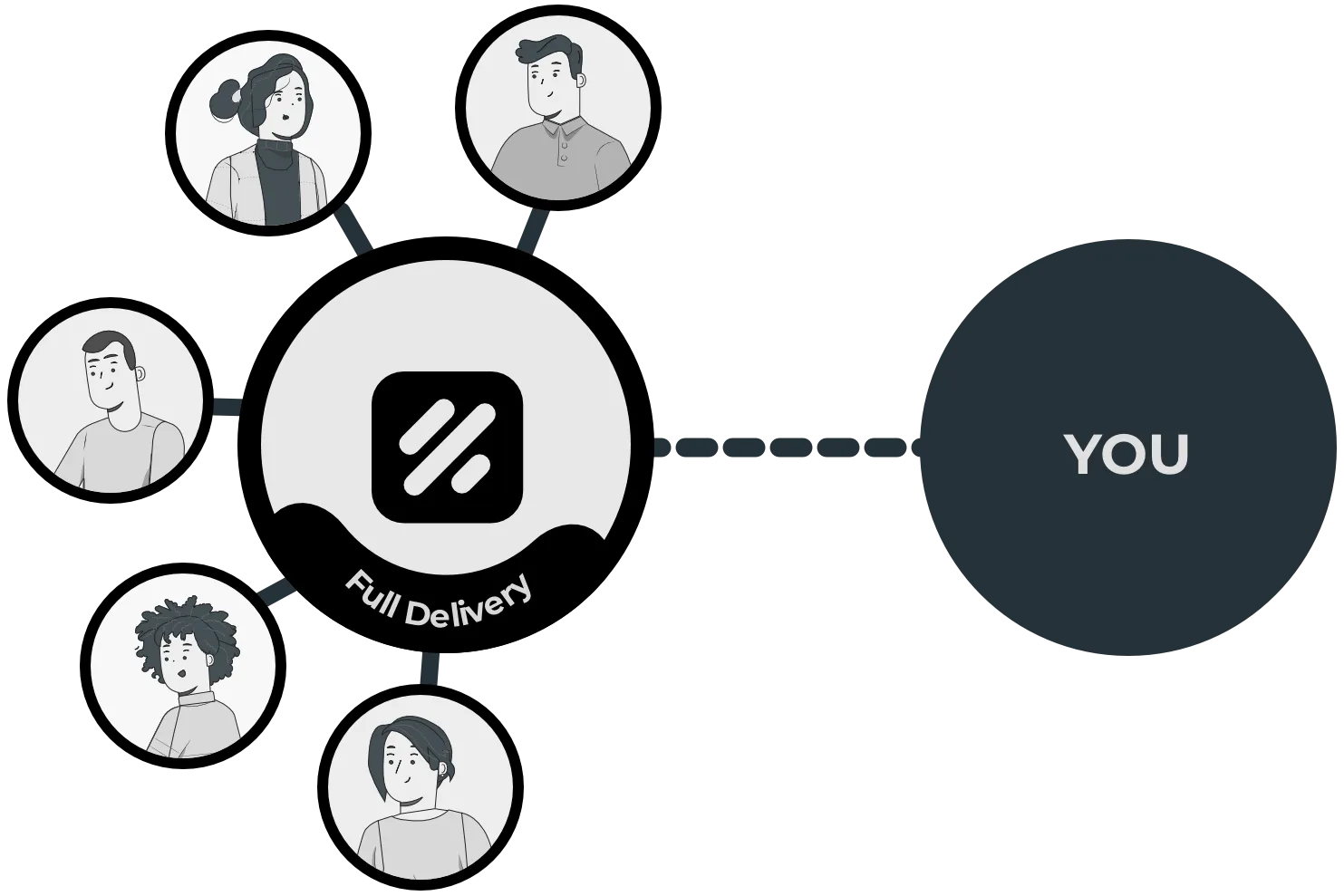
Delivery Model

All Technologies we used







The Results
- Reduced feature deployment timelines by 35% through CI/CD optimization and serverless architecture improvements, enabling faster rollout of eCommerce enhancements.
- Decreased production incidents by 30% by eliminating legacy technical debt, consolidating the technology stack in Rust, and implementing enhanced monitoring across AWS.
- Improved order status synchronization accuracy by 40% and reduced manual intervention in delivery tracking by 50%, strengthening customer communication and operational efficiency.
- Increased system scalability to support 3x higher transaction volume without additional infrastructure overhead, positioning the platform for sustained growth and API expansion.
More from Enterprise
See all Case Studies
Enterprise
Santa Clara, CA
Semiconductors
30% faster cycles, $15K+ monthly value.
Scaled AMD’s TADA engineering capacity with nearshore senior talent to accelerate high-performance development.
View Success Story →

Enterprise
Global Company
Telecom
$500K+ cost savings, full ROI in under 9 months.
Scaled enterprise-wide RPA initiatives with a nearshore automation team, streamlining workflows across HR, Marketing, and Customer Service.
View Success Story →

Enterprise
New York, NY
Retail
40% faster development cycles, 25% fewer post-deployment incidents.
Scaled J.Crew’s mobile and eCommerce capabilities with a dedicated iOS team, delivering a fully on-brand app integrated with enterprise systems.
View Success Story →