
CHECK OUR CASE STUDY
Scaled AMD’s TADA engineering capacity with nearshore senior talent to accelerate high-performance development.
Summary
Sefas Innovation is a global provider of customer communications and document automation solutions, enabling enterprises to generate, manage, and deliver high-volume, business-critical documents at scale. As part of a client engagement, Sefas supported epiq Systems, a leader in legal and compliance services, in modernizing its document creation and formatting workflows.
Reduced document processing time by
45%
Lowered manual document handling effort by
60%
The Challenge
As volumes grew, the approach increased risk, slowed turnaround times, and raised costs due to manual intervention. The challenge was to implement scalable automation that enforced strict formatting rules, reduced errors, and integrated with existing production systems without disrupting operations or requiring a full platform replacement.
“Our client Sefas Innovation worked with a customer that needed to automate complex document creation and formatting workflows limited by manual processes, inconsistent formatting, and poor scalability.”
Our Solution
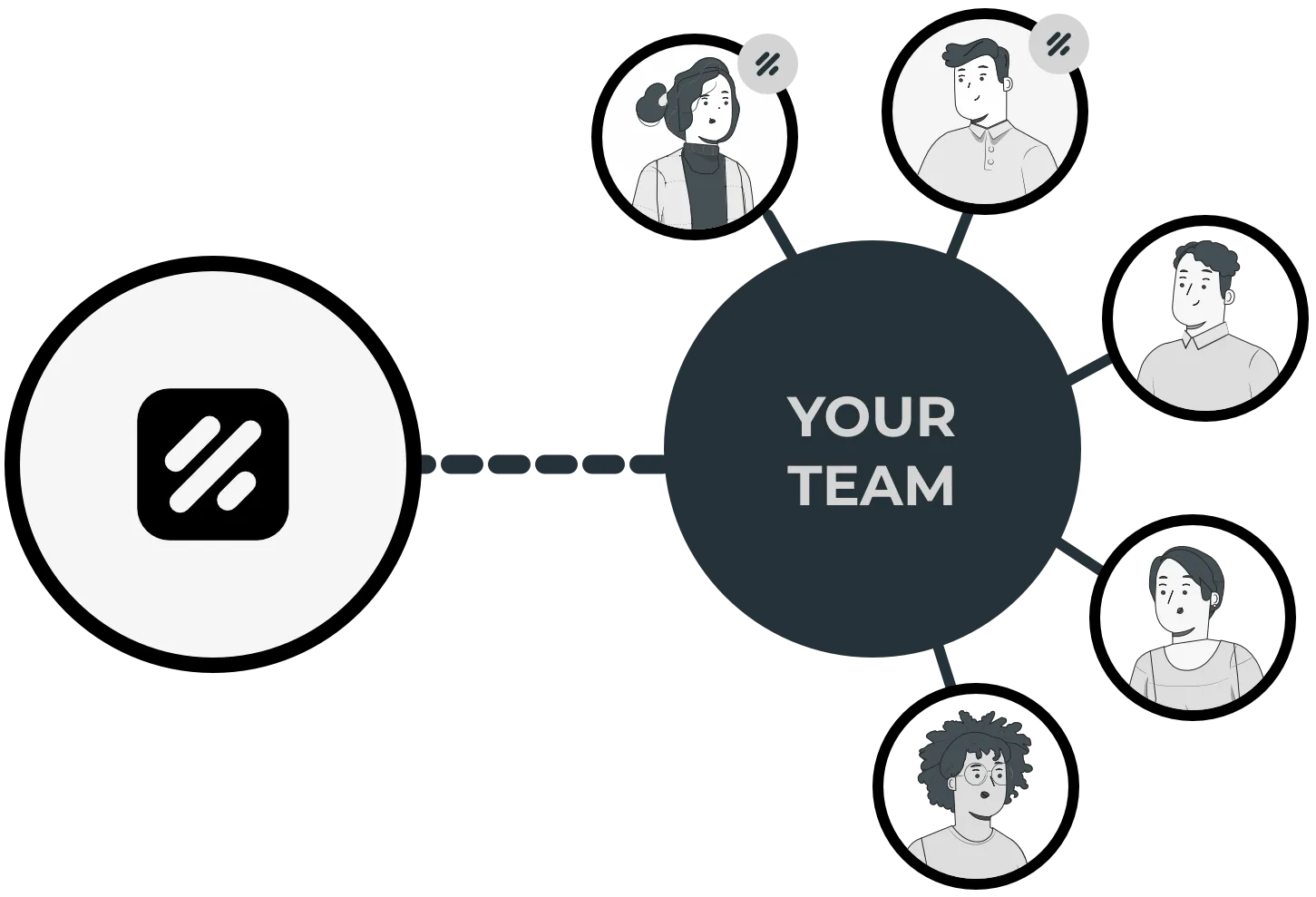
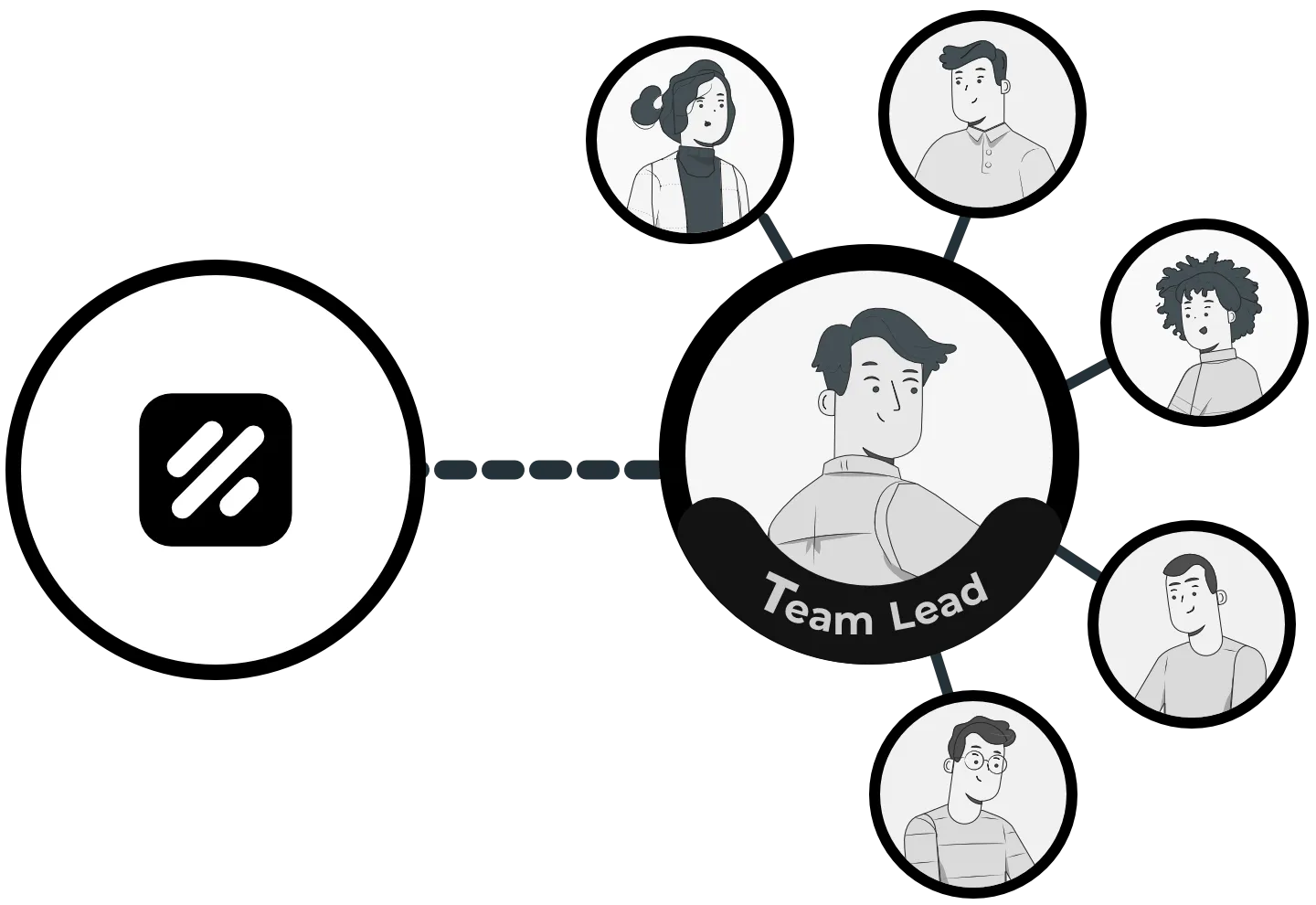
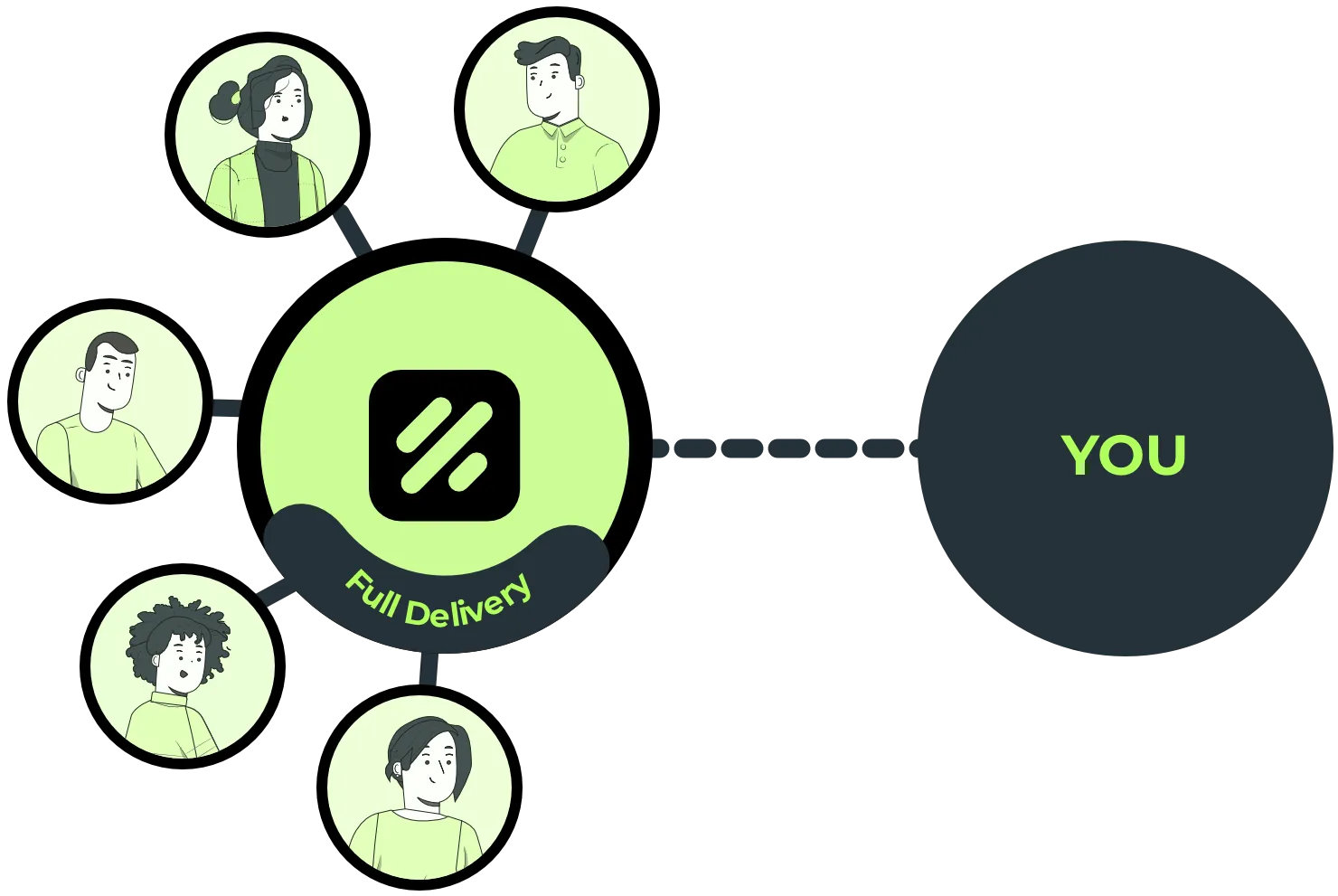
ParallelStaff partnered with Sefas Innovation to provide consulting and engineering support, working as an extension of the delivery team to modernize epiq Systems’ document automation workflows. Using Python for workflow orchestration and formatting logic, VueJS for configuration and user-facing components, and C++ for performance-critical and legacy-adjacent integrations, the team standardized document generation, reduced exceptions, and improved maintainability. The solution enabled reliable, production-ready automation that scaled with document volume while preserving compatibility with existing systems.
Delivery Model
All Technologies we used
The Results
- Reduced document processing time by 45%, accelerating turnaround for high-volume document production.
- Lowered manual document handling effort by 60%, significantly reducing operational overhead and rework.
- Decreased formatting-related exceptions and post-generation corrections by 35% through standardized automation rules.
- Enabled support for a 2.5x increase in document volume without adding engineering or operations headcount.
More from IT Consulting Firms
See all Case Studies
IT Consulting Firms
Palatine, IL
e-Commerce
35% faster deployments, 30% fewer production incidents.
Enabled a digital transformation partner to modernize Whirlpool’s Shopify–SAP middleware by re-architecting it into a Rust-based, serverless AWS solution, ensuring scalable and uninterrupted eCommerce operations.
View Success Story →
IT Consulting Firms
Clifton, NJ
Digital Transformation
40% faster dev cycles, $77K/month in value
Delivered mobile app and omnichannel platform, accelerating launches and reducing costs.
View Success Story →
IT Consulting Firms
Denver, CO
SaaS
99.9% uptime, 80% faster support, 40% cost savings
Provided dedicated NetSuite ops, maintaining uptime and audit compliance while cutting costs.
View Success Story →